

Phone Number
010 443 8828
Email Address
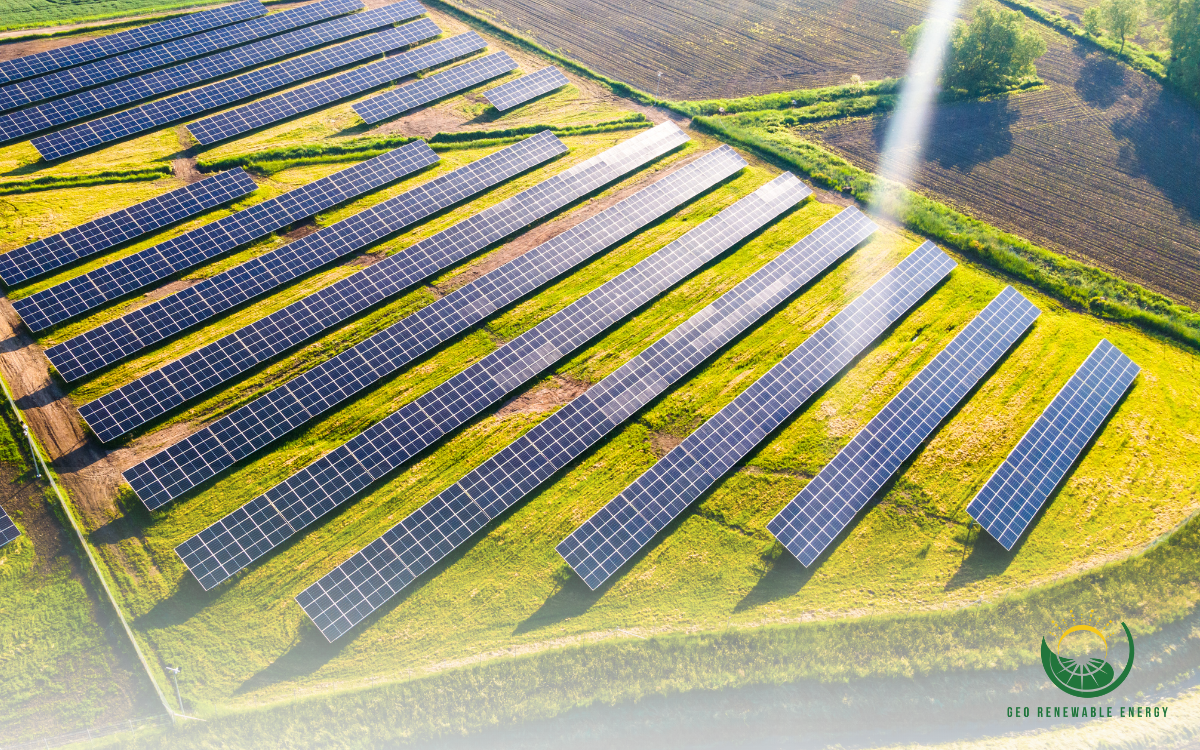
As energy demands grow and businesses strive for sustainability, innovative energy solutions are becoming essential. One such solution gaining traction is wheeling, a concept that allows businesses to source electricity from renewable energy projects, even if they are located far from their operational sites.
Wheeling enables the transfer of energy through existing grid infrastructure, offering businesses a way to secure cleaner, more affordable electricity while reducing their carbon footprint. This article delves into what wheeling is, how it works, and the significant advantages it provides for businesses.
Wheeling is the process of transporting electricity from a generator to an end-user across a utility’s transmission and distribution network. In this setup, businesses enter into agreements with independent power producers (IPPs) to purchase electricity. The energy is fed into the grid at the generation point and then "wheeled" through the utility’s infrastructure to reach the business’s location.
This mechanism is especially valuable for businesses looking to source renewable energy, as it allows them to purchase power from solar, wind, or hydroelectric facilities located far from their operational sites. By leveraging wheeling, businesses can bypass local energy constraints, gaining access to clean energy solutions that meet their sustainability goals.
Wheeling involves a contractual arrangement between three key parties: the energy generator, the business consumer, and the utility that operates the grid. The generator supplies the electricity, the utility provides the infrastructure for transporting it, and the business consumes the energy.
To facilitate wheeling, businesses pay a wheeling charge to the utility, covering the cost of using the grid for energy transmission. This fee varies based on factors such as distance, energy volume, and grid usage policies. Despite these charges, wheeling remains an attractive option because it provides businesses with access to cleaner energy sources without the need to invest in building their own generation facilities.
Wheeling enables businesses to source electricity from renewable energy projects regardless of their physical proximity to those projects. This is particularly advantageous for companies operating in urban or industrial areas where space constraints make on-site renewable installations, such as solar panels, unfeasible.
Although wheeling involves transmission charges, businesses often benefit from lower electricity costs over time. By entering into long-term agreements with renewable energy producers, businesses can secure stable energy prices, shielding themselves from market volatility and rising grid tariffs.
For businesses committed to reducing their environmental impact, wheeling offers a direct pathway to using clean energy. The ability to source renewable power helps companies lower their greenhouse gas emissions, aligning with global sustainability goals and regulatory requirements.
Sourcing renewable energy through wheeling strengthens a company’s environmental, social, and governance (ESG) profile. Businesses can showcase their commitment to sustainability, enhancing their reputation with customers, investors, and stakeholders.
Wheeling is ideal for businesses with multiple operational sites. A single energy agreement can supply renewable electricity to multiple locations through the grid, simplifying energy procurement while ensuring uniform sustainability practices across the organisation.
As businesses grow, their energy needs often increase. Wheeling agreements are scalable, allowing companies to adjust their energy purchases without overhauling their infrastructure. This flexibility ensures that businesses can continue to meet their energy needs efficiently as they expand.
One of the challenges businesses face with wheeling is understanding and complying with local regulations. Policies governing wheeling can vary by region, and navigating these frameworks often requires expertise in energy markets and legal considerations.
The effectiveness of wheeling depends on the reliability of the grid infrastructure. In regions with outdated or inefficient grids, energy losses during transmission may occur, reducing the benefits of wheeling. Businesses must evaluate the quality of the grid network and negotiate terms to account for potential energy losses.
Wheeling agreements often include fixed or predictable pricing models, which allow businesses to plan their energy budgets with confidence. This predictability is invaluable in industries where energy costs constitute a significant portion of operational expenses.
By diversifying their energy sources through wheeling, businesses reduce dependence on local utilities. This diversification enhances energy security, ensuring uninterrupted operations even during local grid disruptions.
The first step in implementing wheeling is to evaluate your organisation’s energy requirements. Understanding current and future energy demands helps identify the right generator and agreement structure.
Choosing the right independent power producer and utility partner is critical to a successful wheeling arrangement. Businesses should assess the generator’s reliability, the utility’s grid capabilities, and the terms of the wheeling charges to maximise benefits.
Once a wheeling agreement is in place, continuous monitoring ensures the system operates efficiently. Businesses can use advanced monitoring tools to track energy consumption and optimise usage patterns, further enhancing cost savings and sustainability.
Wheeling is transforming how businesses source and consume energy, offering a scalable, cost-effective, and sustainable solution to meet growing energy needs. By leveraging existing grid infrastructure, wheeling enables businesses to access renewable energy sources, reduce their carbon footprint, and gain financial predictability in an ever-changing energy market.
For companies looking to adopt clean energy without the complexities of on-site generation, wheeling provides a clear and flexible pathway. As businesses continue to prioritise sustainability and efficiency, wheeling stands out as a vital tool for shaping a greener and more resilient future.
Copyright 2024 - All Rights Reserved